.png)
Organizing Online Posts for Maximum Impact: Effective Online Post Strategies
- Allisha Clarke
- Feb 22
- 3 min read

In the digital age, the way you organize your online content can make or break your engagement and reach. Whether you are managing a blog, social media accounts, or a professional website, having a clear strategy for organizing your posts is essential. This article explores practical and actionable online post strategies that will help you maximize the impact of your content.
Understanding the Importance of Online Post Strategies
Organizing your content is not just about aesthetics; it’s about creating a seamless experience for your audience. When posts are well-structured and easy to navigate, visitors are more likely to stay longer, engage more, and return frequently. Here are some key reasons why organizing your posts matters:
Improved User Experience: Clear categories and logical flow help users find what they need quickly.
Enhanced SEO: Search engines favour well-organized content, improving your visibility.
Consistent Branding: A uniform style and structure reinforce your brand identity.
Better Content Management: Easier to update, repurpose, and track performance.
For example, a blog that groups posts by topic or date allows readers to explore related content effortlessly. Similarly, social media accounts that use hashtags and pinned posts strategically can guide followers through your most important messages.
Key Online Post Strategies to Implement
To organize your posts effectively, consider these proven strategies:
1. Categorize and Tag Your Content
Use categories to group posts by broad topics and tags for more specific themes. This dual system helps both users and search engines understand your content better.
Example: A food blog might have categories like "Recipes," "Nutrition," and "Kitchen Tips," with tags such as "vegan," "gluten-free," or "quick meals."
Actionable Tip: Limit categories to 5-7 main groups to avoid overwhelming your audience.
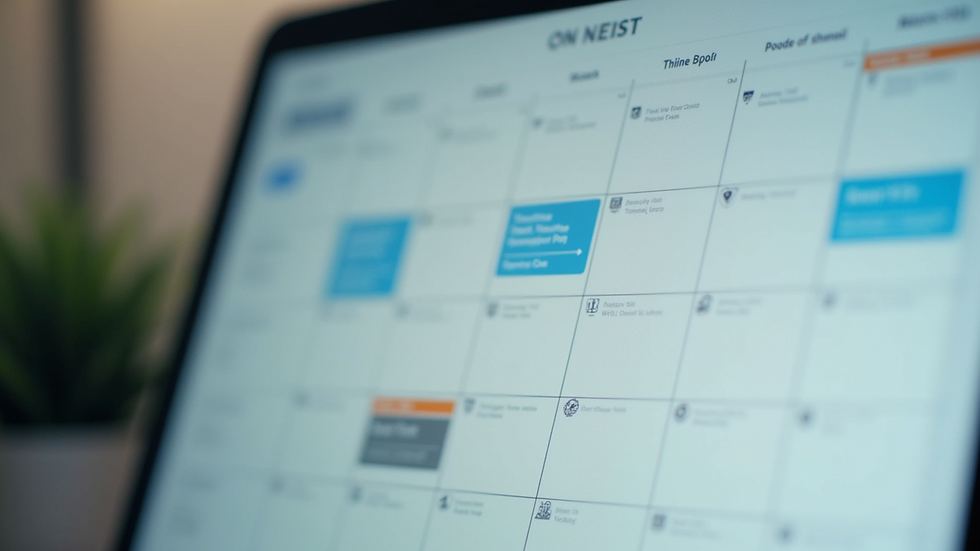
2. Create a Content Calendar
Planning your posts in advance ensures a consistent publishing schedule and balanced coverage of topics.
Example: Schedule recipe posts on Mondays, nutrition tips on Wednesdays, and kitchen hacks on Fridays.
Actionable Tip: Use tools like Google Calendar, Trello, or dedicated content planning apps to organize your schedule.
3. Use Visual Hierarchy and Formatting
Break your posts into sections with clear headers, bullet points, and bold text to highlight key information. This makes scanning easier and keeps readers engaged.
Example: Use H2 headers for main sections and H3 for subpoints.
Actionable Tip: Incorporate images and infographics to complement your text and provide visual breaks.

4. Optimize for Mobile Devices
With increasing mobile usage, ensure your posts are easy to read and navigate on smartphones and tablets.
Example: Use responsive design and avoid large blocks of text.
Actionable Tip: Test your posts on multiple devices before publishing.
5. Link Related Posts Internally
Internal linking helps guide readers to additional relevant content, increasing time spent on your site and improving SEO.
Example: At the end of a post about vegan recipes, link to a post about vegan nutrition tips.
Actionable Tip: Use descriptive anchor text that clearly indicates what the linked post is about.
How to Manage and Organize All Online Posts Efficiently
Managing all online posts can be overwhelming without a system. Here are some practical recommendations:
Centralized Dashboard: Use a content management system (CMS) like WordPress or a social media management tool to keep track of all posts.
Consistent Naming Conventions: Name files and posts clearly to make searching easier.
Regular Audits: Periodically review your content to update outdated information and remove irrelevant posts.
Backup Your Content: Always keep backups to prevent data loss.
By implementing these practices, you can maintain a clean, organized repository of your content that supports your overall strategy.
Measuring the Impact of Your Organized Posts
To ensure your organization efforts are paying off, track key performance indicators (KPIs) such as:
Engagement Rates: Likes, comments, shares, and time spent on page.
Traffic Sources: Where your visitors are coming from.
Bounce Rate: How quickly visitors leave your site.
Conversion Rates: Actions taken like signing up for newsletters or making purchases.
Use analytics tools like Google Analytics, social media insights, or platform-specific dashboards to gather this data. Adjust your strategies based on what works best.
Tips for Maintaining Long-Term Organization
Consistency is key to sustaining the benefits of your online post strategies. Here are some tips to keep your content organized over time:
Regular Updates: Refresh your content calendar and categories as your focus evolves.
Team Collaboration: If you work with others, establish clear roles and communication channels.
Stay Informed: Keep up with trends in content marketing and SEO to refine your approach.
User Feedback: Listen to your audience’s preferences and adapt accordingly.
By staying proactive, you ensure your content remains relevant and impactful.
Organizing your online posts effectively is a powerful way to boost engagement, improve SEO, and create a memorable experience for your audience. By applying these online post strategies, you can transform your content into a well-oiled machine that drives results and supports your goals.


Comments